Please Note: This is a complex and nuanced topic. We’ve tried to address as many areas as possible, while staying succinct. Please keep that in mind when reading through this blog article.
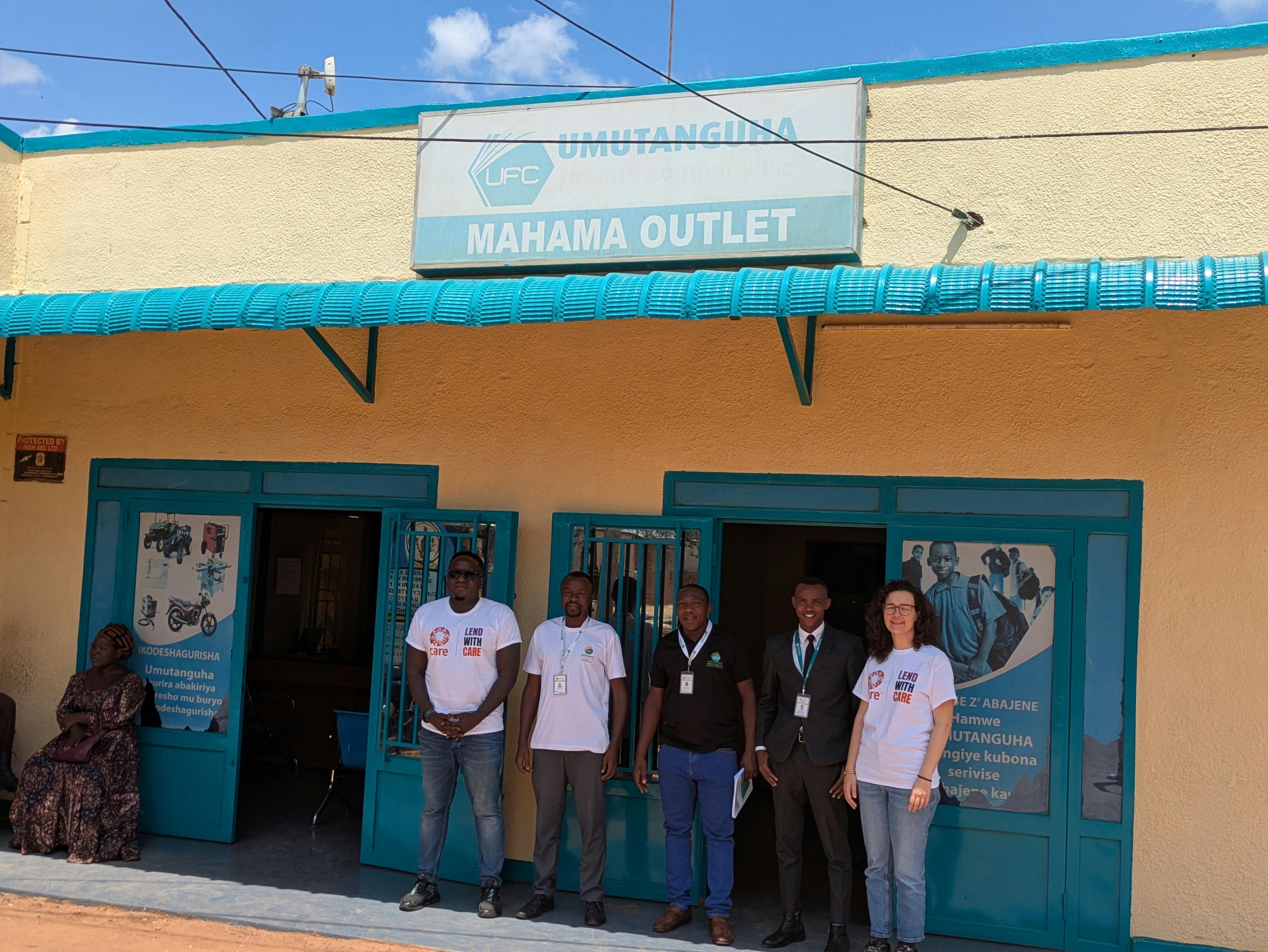
One of the most important parts of my job at Lendwithcare is visiting our partners in person. While we work closely throughout the year by email, calls and video meetings, there is nothing like being there, sitting in their office, meeting their staff, and speaking directly with the entrepreneurs whose businesses you support.
Lendwithcare works entirely through local partners. They are the ones who select entrepreneurs, disburse loans, and support customers throughout their journey. Our role is to make sure they are operating responsibly and sustainably. This is why we carry out regular evaluations to understand how they work, identify risks and areas for improvement, and see firsthand the impact of your loans.
These visits are one of the parts of my job I value the most. They remind me that behind every loan profile is a real person, with ambitions, responsibilities, and resilience.
In November, I had the opportunity to visit Umutanguha Finance Company, one of our long-standing partners in Rwanda. They have been working with Lendwithcare since 2014 and have provided financial services to rural and low-income entrepreneurs since 2004. During the visit, I travelled to their branch in Mahama, near the border with Tanzania, which serves both refugees and the local host community.
Rethinking what it means to be a refugee
Mahama refugee camp opened in 2015 and is home to more than 60,000 refugees, mostly from neighbouring Burundi. Before preparing for this visit, I realised how much my understanding of refugees had been shaped by distance.
Many of us associate refugees with journeys to Europe or other Western countries. But the reality is very different. Most refugees stay close to home. In fact, nearly three-quarters of the world’s refugees live in low- and middle-income countries, often in neighbouring nations that already face economic challenges of their own.
When I arrived at the Umutanguha branch, I met the branch manager and their team. What stood out immediately was their commitment not only to serving refugees, but to serving both refugees and local customers equally.
He explained that many of their refugee clients have been living in Mahama for years. What is meant to be temporary often becomes long-term. This creates complex realities for both refugees and the communities hosting them.
Supporting coexistence, not division
In many places around the world, refugee camps are located in already vulnerable regions. When resources are limited, tensions can arise between host communities and refugees, especially if services appear to favour one group over another.
Umutanguha has made deliberate choices to address this. Their branch is located outside the camp, making it accessible to everyone. Any benefits or incentives offered to refugees are also available to local customers. Their goal is clear: financial inclusion should bring communities together, not divide them.
At the same time, serving refugees comes with additional challenges. Many have experienced trauma, lost their assets, and had their lives disrupted. The branch staff told me that financial education is essential. They spend a lot of time explaining what a loan is, how it works, and how to use it safely to grow a business.
This takes time and resources. It also shows why financial inclusion in vulnerable settings requires patience, commitment and more resources.
A different reality than I expected
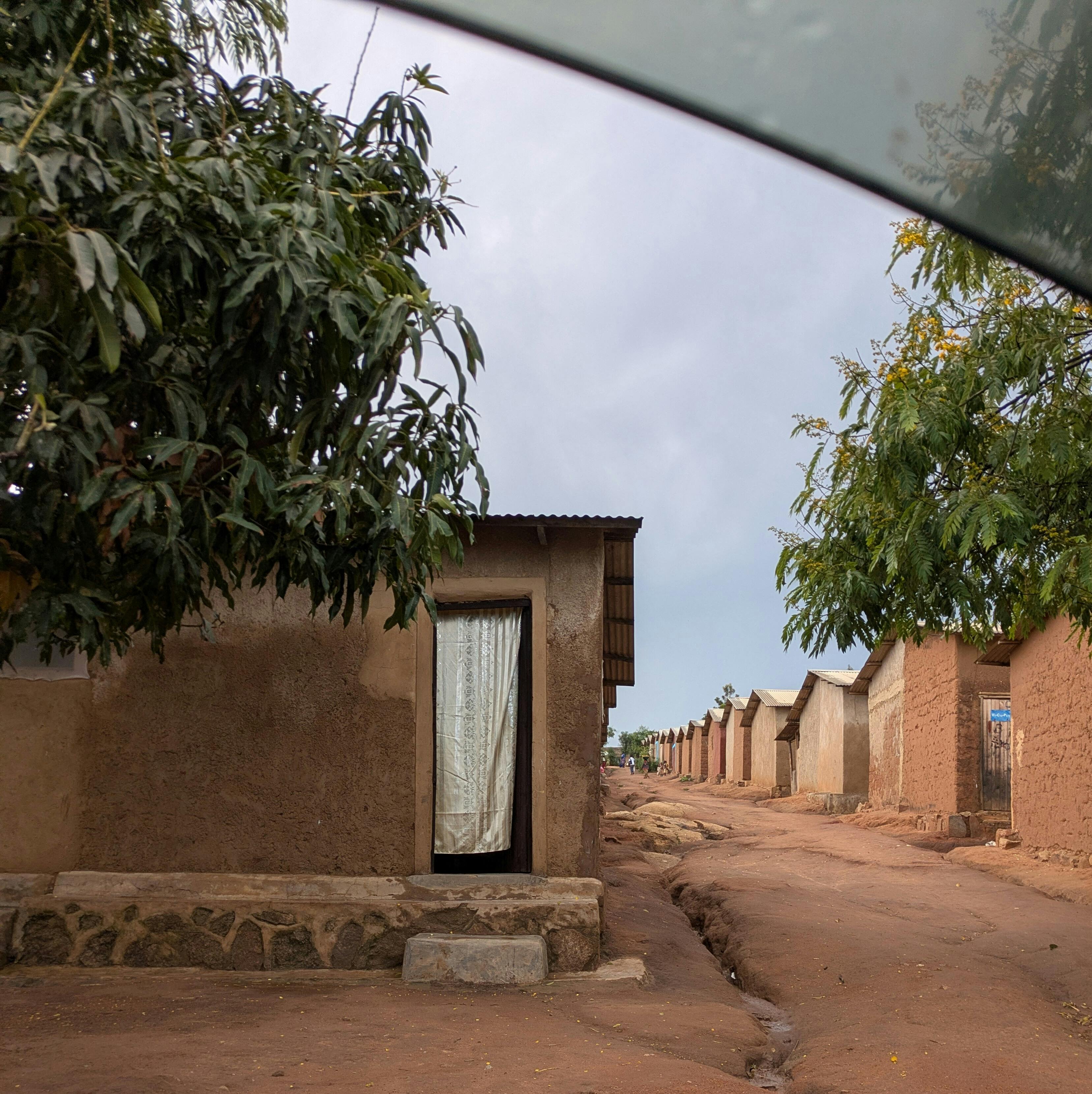
When we entered the Mahama camp, I realised another assumption I had carried without fully questioning it. When we think of refugee camps, many of us picture endless tents in inaccessible sites. But what I saw was different.
Mahama felt more like a village. There were small houses, schools, shops, and people going about their daily routines. Life there was not easy, and the living conditions were modest. But people were not just surviving, they were building lives.
Refugee camps are meant to be temporary, but many people spend years — even decades — in them. They wait, often without certainty, hoping one day to return home or build a new life elsewhere.
In the meantime, they continue forward. They start businesses. They support their families. They contribute to their communities.
Meeting Eugenie
One of the people I met during my visit was Eugenie.
She arrived in Mahama in 2015 from Burundi with her husband and children. Like many others, she thought it would be temporary. But the reality for refugees around the world is very different. On average, refugees spend more than 10 years displaced. This is often because the crises they flee can last for many years, and returning home is not always safe. Even when violence decreases, homes, businesses, and infrastructure may be destroyed, making it difficult to rebuild. For many people, returning is also made harder by uncertainty and complex administrative processes. At the same time, opportunities to resettle in another country are limited. As a result, what is meant to be a short-term solution often becomes a place where people must rebuild their lives from scratch.
Eugenie is one of those people. With support from Umutanguha and Lendwithcare supporters, she and her husband did more than adapt, they built something of their own. Together, they run a mobile money shop and operate a motorcycle taxi business. These businesses provide essential services, helping people send and receive money and move around more easily.
What stood out to me was that their customers are not only other refugees living in the camp. They also serve people from the surrounding host communities, contributing to the local economy and providing value to others.
Speaking with Eugenie, I did not see someone defined by displacement. I saw an entrepreneur. Someone who had taken difficult circumstances and, step by step, created stability for her family and services for others.
Her story reminded me that refugees are not only people in need of support. They are also people with skills, ideas, and determination. Given the opportunity, they build businesses, support their families, and contribute to the communities around them.
Why these visits matter
Meeting the branch staff and their customers in Mahama was deeply meaningful. It reminded me why Lendwithcare’s work matters.
Access to finance is not just about money. It is about opportunity, dignity, and stability.
It is about helping people move from uncertainty to independence. It is also about supporting communities, both refugees and hosts in this case, so they can grow together.
Most of all, it reminded me that being labelled a refugee is not only a story of displacement. It can also be a story of resilience, determination, and hope.
At Lendwithcare, we are committed to working with partners like Umutanguha who make this possible. And it is thanks to supporters like you that entrepreneurs like Eugenie can build businesses, support their families, and look toward the future with confidence.