Georgia
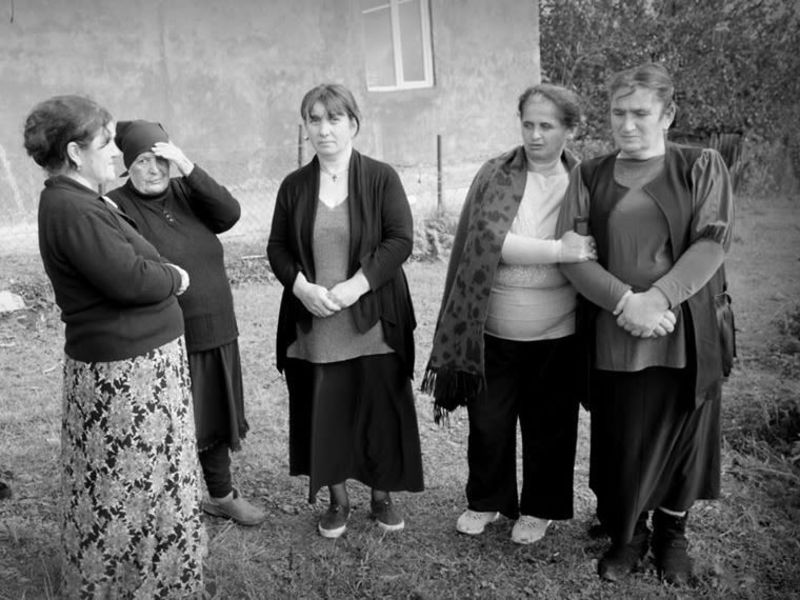

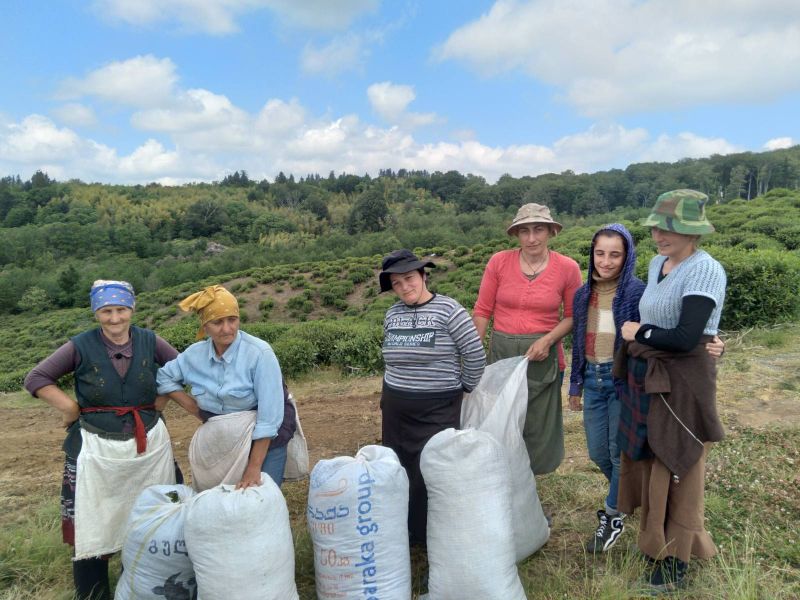




The Nagomari Tea Cooperative was created in 2015 by several local families from the village of Nagomari, who wanted to continue the tea growing traditions of the area. The cooperative has been focusing its efforts on increasing the quantity and quality of their production since then and have created local employment opportunities, especially for women, since the majority of the cooperative members are women and the main power behind the cooperative.
The village of Nagomari was one of the leading tea producing villages during the Soviet Era and at that time, the majority of villagers were employed in the tea sector. After the collapse of the Soviet Union, tea production factories across Georgia were closed, tea plantations abandoned and thousands of jobs lost. In 2015 18 villagers came together and established a tea producing cooperative and so far, they have completely rehabilitated 25 hectares of tea plantation, built a small factory and started tea processing.
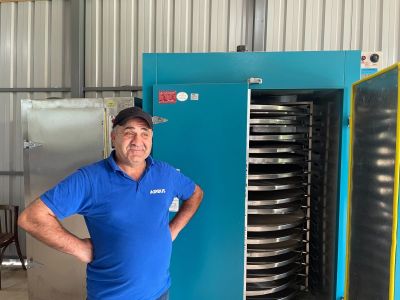
Along with improved production, they have also been able to increase the number of clients they have, which is why technological improvement for better quality tea is important to the cooperative. The village has a lot of potential to produce great quality tea. After hearing about the cooperative's success there has been a lot of interest from other local families who want to join the cooperative. They already employed 35 households during the rehabilitation process during one season. This is just the beginning of the process. The cooperative plans to strengthen the tea production culture of the village and is convinced that rehabilitation will result in increased production in coming years. In order to increase the quantity and quality of their production, they are applying for a loan to buy new equipment for tea processing. Freshly harvested tea leaves needs to be processed as quickly as possible and the first stage of the process is withering, which means reducing the moisture content in the leaves. They will use this loan to buy a new withering machine to enable them to dry more tea leaves and quickly. This is a vital step in ensuring maximum quality of production. Currently the cooperative's withering machine can take 60-80 kg of leaves, which is not large enough for the amount the Cooperative are currently harvesting.
If you are lending, please be aware that due to the current COVID-19 pandemic your repayments could be at greater risk of delay or default.
Loan added: 2 June 2020

Nagomari Tea Cooperative's loan repayment schedule
| Date | Expected repayments | Actual repayments |
|---|---|---|
| £503.63 | ||
| £0.00 | ||
| £0.00 | ||
| £0.00 | ||
| £0.00 | ||
| £0.00 | ||
| £0.00 |
The above amounts are indicative, based on the exchange rate the day this loan was added to the website. The actual amounts you will receive will be based on an exchange rate at the time the repayment is returned to your account. See our Help Centre for more information.